
Some older Staten Island homes use boiler-based heating systems that work differently from modern forced-air equipment. If your home has radiators, baseboard heaters, or radiant tubing, understanding the basic arrangement can help you recognize changes in comfort, record useful observations, and ask better questions when service is needed. A hydronic heating system in Staten Island transfers heat through water, but not every older radiator contains hot water. Steam systems can have similar-looking radiators, so boiler documentation or a qualified professional is the best way to identify the system.
What Hydronic Heating Means
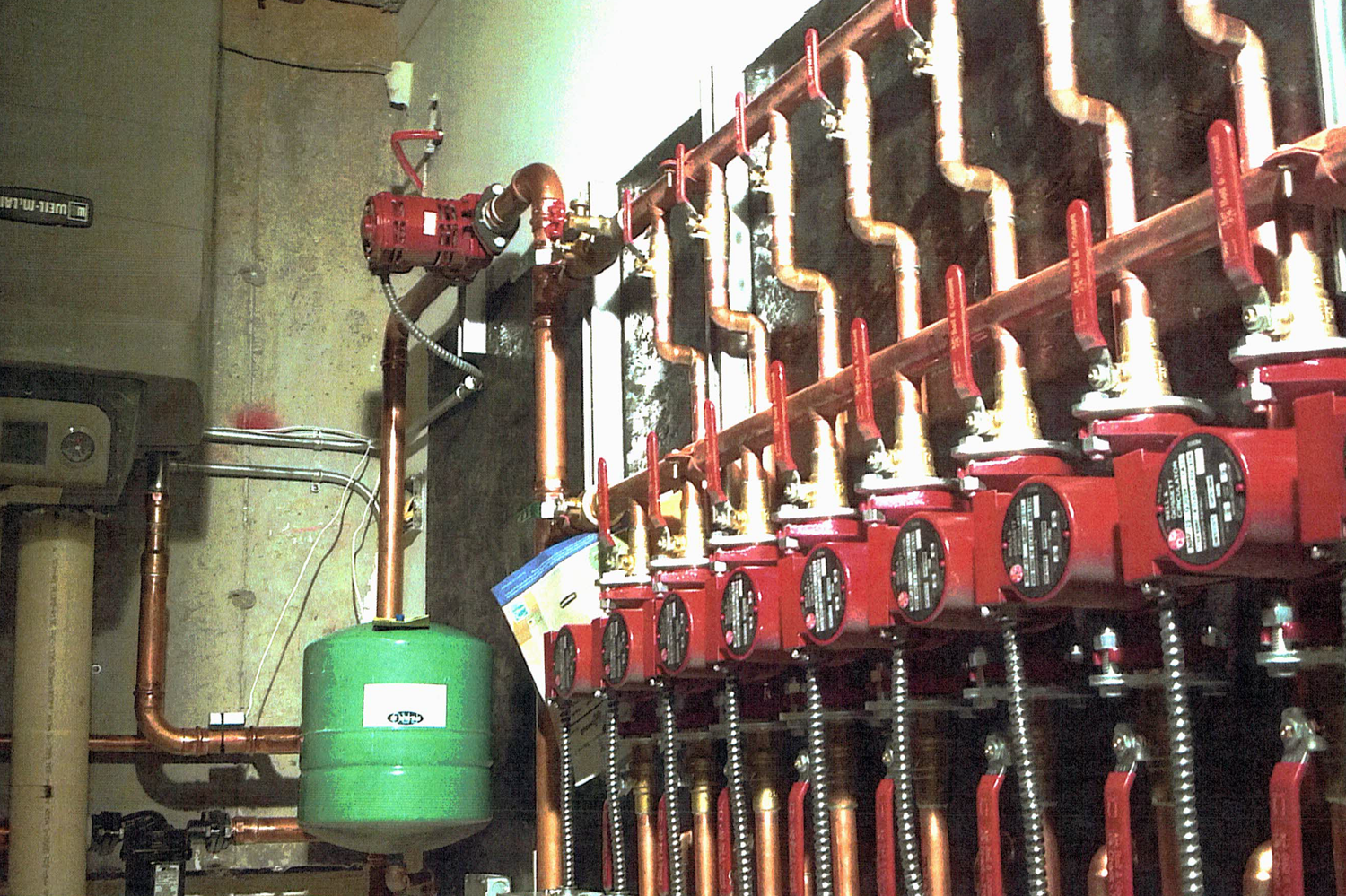
Hydronic heating uses heated water to move warmth through a home or building. A boiler adds heat to the water, and piping carries that water through the distribution system. Heat then moves from the water into radiators, baseboard convectors, or tubing installed beneath a floor. Cooler water returns through the system to be reheated.
Common hot-water hydronic components can include the boiler, supply and return piping, a circulator pump, thermostats, zone controls, an expansion tank, and safety devices. The exact arrangement varies by system age, energy source, design, and previous alterations. Some older systems may circulate water through gravity rather than a modern pump, while newer systems may use multiple zones and electronic controls.
Boilers may be fuel-fired or electric. Fuel-fired equipment can use natural gas, oil, propane, or another suitable fuel, while electric boilers use electrical heating components. This distinction matters when considering safety concerns or service needs.
Hot-Water Heat Is Not the Same as Steam Heat
Steam heating is different from hot-water hydronic heating. In a steam system, the boiler produces steam that travels through piping to radiators. In a hot-water system, liquid water circulates through supply and return piping. Both systems may use upright cast-iron radiators that look similar.
A radiator’s appearance alone does not identify the system. If you are unsure whether your home uses steam or hot water, check the equipment documentation or ask a qualified heating professional. Avoid adjusting valves, opening fittings, or attempting to bleed a radiator based only on how the equipment looks.
How the Main Components Work Together
The boiler creates heat
The boiler is the heat source for a hot-water system. Depending on the equipment, heat may come from natural gas, oil, propane, or electricity. Controls determine when the boiler operates and how the water is heated. A thermostat call for heat may activate the boiler and circulation equipment, but the sequence depends on the specific installation.
Piping carries heated water
Supply piping carries heated water away from the boiler. Return piping brings cooler water back for another heating cycle. A circulator commonly moves water through the piping, although older systems may use a different circulation method. Homes with separate floors or living areas may have more than one heating zone, with each zone controlled separately.
Radiators and baseboards release warmth
Radiators and baseboard convectors transfer heat from the water into the room. Baseboard units depend on airflow around their metal fins, so furniture, curtains, stored items, dust, or damaged covers can reduce heat transfer. A radiator or baseboard that remains cold when nearby areas are warm is useful information, but it does not identify the cause by itself.
Controls regulate operation
Thermostats, zone valves, aquastats, circulator relays, and other controls may work together to regulate a hydronic system. Some modern systems also use outdoor reset controls. These controls adjust the target boiler-water temperature in response to outdoor conditions. Compatibility and setup depend on the boiler, piping arrangement, controls, and manufacturer requirements.
Why Older Homes May Have Uneven Heat
Uneven temperatures can have several possible explanations. One room may lose more heat because of its location, windows, insulation, or exterior exposure. A baseboard cover may be blocked, or a radiator valve may not be operating as expected. In a hot-water system, air, circulation, zoning, water temperature, piping, or balancing concerns may also affect heat delivery.
These possibilities should not be treated as a diagnosis. The same symptom can have different causes, and a steam system should not be evaluated in exactly the same way as a pressurized hot-water system. Before changing a control, opening a valve, or attempting to bleed a radiator, check the equipment instructions and consider professional guidance. Opening the wrong fitting can release hot water or steam, change system pressure, or create a leak.
Useful Observations for Homeowners
You can gather helpful information without removing boiler panels or touching system components. Write down when the problem began, which rooms are affected, and whether the issue occurs during every heating cycle or only at certain times. Note whether the thermostat display is operating and whether one zone appears affected while another continues to heat.
- Record rooms that remain cool and whether the issue involves a radiator, baseboard, or floor area.
- Note new sounds such as banging, knocking, gurgling, whistling, or humming.
- Observe whether the sound occurs at startup, during operation, or when the system shuts down.
- Look for visible water near the boiler, piping, radiators, or baseboards, but do not touch active leaks or hot surfaces.
- Record any warning light, error message, or alarm without opening the equipment.
- Note recent thermostat changes, renovations, power interruptions, or other changes in the home.
Sounds can be associated with several different conditions, including air, restricted flow, pipe expansion, component vibration, pump concerns, or steam-system behavior. The sound alone does not establish a cause. Organized notes describe what happened without requiring you to diagnose the equipment.
Safety Boundaries Around Boiler Equipment
Boilers can involve heat, water, pressure, and electrical components. Fuel-fired models also involve combustion and venting. Electric boilers do not use fuel combustion, but they still contain electrical components and may involve hot water and pressure. Do not remove access panels, bypass controls, touch wet electrical equipment, or attempt to replace pumps, zone valves, wiring, ignition components, or safety devices as a do-it-yourself project.
Water near electrical equipment can create an electrical hazard, and boiler water or steam may cause burns. Keep children and pets away from active leaks, steam, hot surfaces, and exposed equipment. Do not cap, plug, obstruct, or isolate a pressure-relief discharge. Do not add water, drain the boiler, adjust pressure, or operate a relief valve without model-specific instructions and appropriate training.
Separate Gas and Carbon Monoxide Emergencies
A natural-gas concern and a carbon-monoxide concern are different. If you smell gas or suspect a gas leak, leave immediately with everyone in the home. Do not use a phone, light switch, appliance, flashlight, match, doorbell, or anything else that could create a spark inside. Call 911 from a safe location and follow utility or emergency instructions. Review National Grid’s gas emergency guidance for additional safety information.
If a carbon-monoxide alarm sounds or anyone has possible symptoms such as headache, dizziness, weakness, nausea, confusion, or unusual sleepiness, move into fresh air and call 911 from outside. Do not re-enter to investigate the boiler. NYC Health recommends annual professional inspection of fuel-burning appliances, chimneys, and vents. It also advises installing carbon-monoxide detectors where people can hear them while sleeping. Review NYC Health’s carbon-monoxide guidance for additional information.
Modern Options for Hydronic Systems
Hydronic heating is not limited to old cast-iron radiators. Modern systems can include high-efficiency boilers, multiple zones, compatible thermostats, and outdoor reset features. These options may improve control and comfort when they are properly matched to the home and existing distribution system.
A replacement boiler or control upgrade should not be selected from the equipment label alone. Boiler size, piping, emitters, venting, controls, return-water temperature, and the home’s heating requirements all matter. Outdoor reset controls are not universal add-ons, and some installations require specific piping arrangements. A qualified professional should evaluate compatibility and follow the equipment manufacturer’s requirements.
Radiant floor heating is also a form of hydronic heating when heated water circulates through tubing beneath the floor. It differs from radiator or baseboard distribution because the floor surface becomes the heat-emitting area. Our Hydronic & Radiant Heat page explains both hydronic and radiant systems and describes boilers, piping, radiant tubing, modern equipment, smart controls, and outdoor reset features.
When to Arrange Professional Service
Contact a qualified heating professional if your home has persistent uneven heat, unusual new boiler sounds, visible water near the system, repeated operating problems, no heat, or no hot water. Keep notes about the affected rooms, timing, sounds, visible changes, and any displayed warning message. This information can make it easier to explain the concern without attempting a diagnosis.
Capital Contracting, Plumbing & Heating Corp. provides hydronic and radiant heat services, as well as boiler repair and replacement. Our Water Heaters & Boilers page describes troubleshooting, balancing and bleeding, boiler repairs and replacement, and preventative maintenance. When you call, explain whether the problem involves heat, hot water, or both.
If you need help understanding a hydronic heating system in Staten Island, call Capital Contracting, Plumbing & Heating Corp. at 718-815-9093 to discuss the concern and the next practical step for your home.