
As colder weather approaches, Staten Island homeowners can use a fall boiler checklist to record symptoms, identify urgent hazards, and prepare useful information for a professional service call. This is not a guide to opening, adjusting, or repairing a boiler. It is a homeowner observation guide that can help you document changes safely while considering boiler maintenance in Staten Island before sustained winter heating.
Identify Your Heating System First
Before recording symptoms, note what type of system you have. Some boilers circulate hot water through radiators, baseboards, or radiant tubing. Steam boilers distribute steam through connected piping. Boilers may use natural gas, oil, propane, or electricity. Some systems also provide domestic hot water, while others heat the home only.
Write down the boiler manufacturer and model if that information is plainly visible from a safe location. Also note the fuel type, whether the system supplies domestic hot water, and whether you have radiators, baseboards, or radiant floors. These basic details can help a professional distinguish a heating concern from a hot-water concern when you describe the issue.
Start a Simple Boiler Symptom Log
Record what you notice, when it happens, and whether the pattern is changing. Avoid diagnosing the cause from a sound, leak, or pressure reading. The same symptom can have more than one possible explanation, so the goal is to document observations accurately.
- Write down the date and approximate time the symptom began.
- Note whether the entire home is cold or only certain rooms, floors, or zones.
- Record whether the boiler starts and stops normally or cycles more often than usual.
- Describe new sounds, such as banging, popping, whistling, knocking, or humming.
- Note whether a sound occurs during startup, shutdown, or throughout a heating cycle.
- Record any visible water, staining, corrosion, or dripping near accessible piping.
- Write down any warning light, display message, or error code visible without opening the equipment.
- Note whether the issue began after a power interruption, thermostat change, plumbing work, or electrical work.
- Record whether you have no space heat, no domestic hot water, or both.
Make Safe Exterior Observations
Keep your inspection limited to conditions you can see and hear from a safe position. Confirm that the thermostat is set to heat and record the displayed temperature. Look at accessible areas around the boiler for water on the floor, staining, or signs of corrosion. Do not touch hot piping, leaking water, steam, electrical parts, or any discharge from a relief pipe.
Check whether radiators and baseboard heaters are obstructed by furniture, carpeting, curtains, or stored items. Do not move heavy equipment or disturb boiler components. If one room is colder than others, record the room, the heating fixture involved, the thermostat location, and the time of day when the difference is most noticeable.
If a pressure gauge is plainly visible, record the displayed reading and the time. Do not decide whether the reading is normal based on a general number. Appropriate readings vary by boiler type, model, temperature, building height, and system design. Do not add water, drain or refill the system, adjust pressure controls, cap a relief pipe, or repeatedly reset equipment to make a symptom disappear.
Treat Gas Odor and Carbon Monoxide as Different Hazards
If you smell natural gas or a gas alarm activates, leave the home immediately with everyone else. Do not operate the thermostat, boiler, lights, switches, doorbells, appliances, plugs, or phones inside the building. Do not try to find or stop the leak, and leave doors and windows as they are. From a safe location, call 911 and National Grid’s Metro New York gas emergency number at 718-643-4050. Do not re-enter until authorities say it is safe.
Natural gas odor and carbon monoxide are not the same warning. Carbon monoxide is colorless and odorless. A carbon monoxide alarm, or symptoms such as headache, dizziness, nausea, unusual fatigue, breathing difficulty, confusion, vomiting, chest pain, or loss of consciousness, requires immediate action. Leave the home and get to fresh air, call 911, and follow instructions from emergency responders. NYC guidance also directs residents to the Poison Control Center at 212-764-7667 for carbon monoxide concerns.
Test carbon monoxide alarms according to the manufacturer’s instructions. NYC Health guidance recommends testing alarms at least monthly and replacing removable batteries twice a year. Replace each detector according to its rated service life. Never use a gas range or oven to heat your home.
For additional local information, review NYC Emergency Management carbon monoxide guidance and NYC Health carbon monoxide guidance.
Look for Leaks, Relief Discharge, and Hot-Water Changes
A heating-system leak can involve hot water or steam and may indicate a problem with the boiler, piping, valves, or pressure controls. Observe water from a safe distance and record where it appears. Do not touch it, use stop-leak products, add water repeatedly, drain the system, or attempt to operate a pressure-relief valve. Relief-valve discharge can be hot enough to cause a serious burn, and a dripping relief pipe should never be capped or plugged.
If water is spreading rapidly, steam is escaping, or a leak is near electrical equipment, move away from the area and treat the condition as urgent. Smoke, fire, sparking, a burning-plastic odor, or another immediate danger requires evacuation and a 911 call. Do not touch a wet boiler, switch, plug, thermostat, or nearby electrical equipment.
Be specific about hot-water symptoms. Write down whether the water is completely cold, lukewarm, unusually hot, or simply running out faster than usual. A boiler may or may not supply domestic hot water, so no hot water does not always indicate a boiler problem. If tap water suddenly becomes much hotter than usual, keep children and vulnerable adults away from it and have the domestic-hot-water controls evaluated by a qualified professional.
Understand Why Annual Professional Inspection Matters
Fall is a practical time to arrange professional attention before sustained heating use. The U.S. Consumer Product Safety Commission recommends yearly professional inspection of fuel-burning heating systems, including boilers, chimneys, flues, and vents. NYC Emergency Management also recommends annual inspection, cleaning, and tune-up of home-heating systems and fuel-burning appliances by a qualified technician.
Depending on the equipment, a professional inspection may include combustion, carbon monoxide, venting, heat-exchanger, safety-control, relief-valve, expansion-tank, and low-water-cutoff checks. These are not homeowner tasks. Annual service does not guarantee trouble-free operation, but it gives a qualified professional an opportunity to evaluate important safety and operating components before winter demand increases. If your system has a recurring symptom, do not wait for the first severe cold spell to document it.
Prepare Information for the Service Call
- Your symptom log with dates, times, sounds, room temperatures, and affected fixtures
- The boiler manufacturer, model, fuel type, and whether it supplies domestic hot water
- A photograph of an accessible display message or visible leak, if it is safe to take
- Notes about thermostat changes, outages, plumbing work, or electrical work
- The location of colder rooms and affected radiators, baseboards, or radiant areas
- Any record of gas alarms, carbon monoxide alarms, smoke, unusual odors, or emergency actions
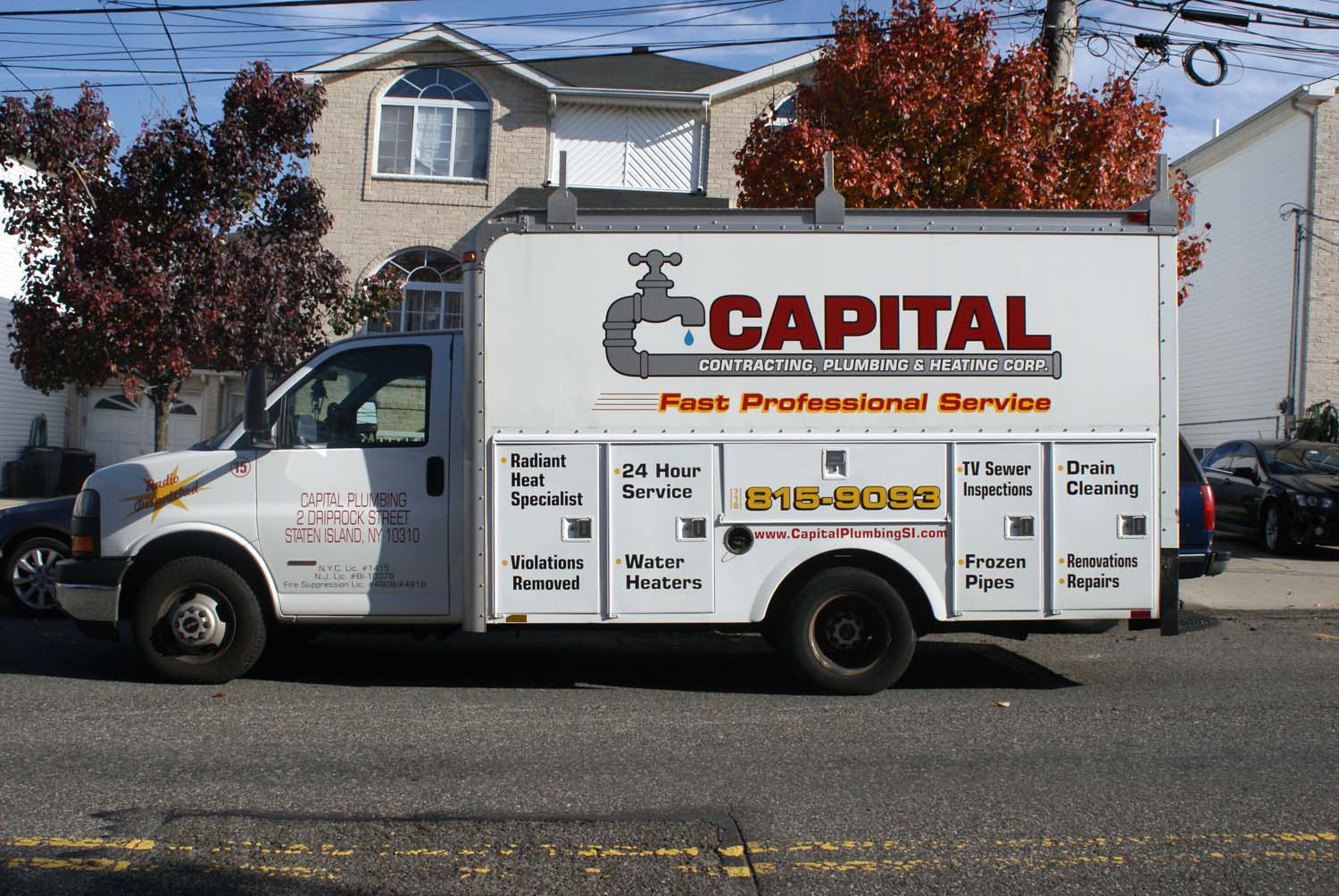
Do not remove panels, bypass controls, relight unfamiliar equipment, or attempt repairs involving gas, electricity, hot water, steam, or pressurized components. If your observations show no heat, no hot water, a leak, or another heating concern, Capital Contracting, Plumbing & Heating Corp. provides boiler troubleshooting, repair, replacement, installation, and preventive maintenance services. Learn more on our Water Heaters & Boilers page.
For an urgent plumbing or heating problem, including no heat, no hot water, leaks, or frozen pipes, call Capital Contracting, Plumbing & Heating Corp. at 718-815-9093. If you smell gas, hear a gas alarm, or suspect carbon monoxide, leave first and contact emergency services from a safe location.
